You have ten minutes, one printer and a three-year-old who will not sit still. Here are 24 preschool worksheets free printables ideas, each with the age it suits, the minutes it holds and the one skill it trains, so you can pick a sheet in a minute.
I taught preschool for nine years, and the downloads that frustrated me most were the fake buttons and the pages that wanted an email before showing a file. Everything on this list is a type of sheet you can recognise, find or make without an email wall.
The best preschool worksheet is one skill on one page, sized for the child’s age, that they can finish in under ten minutes.
Quick answer: For a three-year-old, start with matching pairs and pre-writing lines. For a four-year-old, add letter tracing and counting. For a five-year-old, move on to beginning sounds and number tracing. Print one sheet at a time and stop when your child does.
What are preschool worksheets?
Preschool worksheets are short printable pages that train one early skill, such as holding a pencil, matching shapes or hearing the first sound of a word. They suit children aged 3 to 5, take 5 to 15 minutes, and work best when the page is one task, not a crowded set of them.
Preschool activities: pick a worksheet by age, minutes and skill
Most lists give you thirty sheets and let you work out which one fits. The table below sorts all 24 by what decides the choice: age, minutes and skill.
| Idea | Age | Minutes | Skill | Avoid if |
|---|---|---|---|---|
| 1. Letter Tracing A to Z | 4 to 5 | 10 | Letters | your child still grips the pencil in a fist |
| 2. Number Tracing 1 to 10 | 3 to 5 | 10 | Numbers | your child cannot yet count to five aloud |
| 3. Shape Tracing | 3 to 4 | 8 | Shapes | you print a full page of tiny shapes |
| 4. Pre-Writing Lines and Curves | 3 to 4 | 8 | Pencil control | you expect letters on the first day |
| 5. Beginning Sounds Match | 4 to 5 | 10 | Phonics | the pictures are not clear to a child |
| 6. Alphabet Find and Highlight | 4 to 5 | 10 | Letters | you print all 26 pages at once |
| 7. Counting Objects to 10 | 3 to 5 | 10 | Counting | the objects are drawn in a tangled cluster |
| 8. Cut and Paste Shapes | 4 to 5 | 15 | Scissors | you print it for a child under three |
| 9. Pattern Sequencing | 4 to 5 | 10 | Logic | the pattern is longer than three steps |
| 10. Same and Different | 3 to 5 | 8 | Observation | the two pictures differ by tiny details |
| 11. Big and Small | 3 to 4 | 8 | Comparing | every picture on the page is the same size |
| 12. Matching Pairs | 3 to 4 | 8 | Matching | the pictures look almost the same |
| 13. Dot to Dot 1 to 10 | 4 to 5 | 10 | Counting | the dots are very close together |
| 14. Simple Mazes | 4 to 5 | 10 | Pencil control | the paths are narrower than a pencil tip |
| 15. Name Tracing | 3 to 5 | 10 | Writing | you write the name in all capitals |
| 16. Uppercase and Lowercase Matching | 4 to 5 | 10 | Letters | the child cannot name the uppercase letters |
| 17. Sorting by Colour | 3 to 4 | 8 | Sorting | you print it in black and white |
| 18. Preschool Math Workbook Pages | 4 to 5 | 15 | Maths | you expect it all done in one afternoon |
| 19. Rhyming Picture Match | 4 to 5 | 10 | Phonics | you ask for a rhyme on the very first day |
| 20. Seasons and Weather | 4 to 5 | 10 | Science | the weather in the pictures is not the weather outside |
| 21. Body Parts | 3 to 5 | 10 | Science | the labels are written in joined-up script |
| 22. Farm Animals | 3 to 5 | 15 | Colouring | you print all the pages in full colour |
| 23. Ocean Life | 3 to 5 | 15 | Colouring | you print every page in a heavy colour fill |
| 24. Feelings Faces | 4 to 5 | 10 | Social skills | you use it as a punishment |
If you want the sheets ready-made in one file, see a printable preschool worksheets bundle. For more sorted sheets, try our printable activities sorted by attention span.
How do you choose a preschool worksheet?
Three checks save you ink and a bad afternoon. Run each one before you press print.
- Is it right for the age? A sheet that asks for a letter from a child who is still scribbling ends in tears. Match the task to what your child does today, not what a book says they should do.
- How many minutes will it take? Three-year-olds hold 5 to 8 minutes, four-year-olds about 10, five-year-olds up to 15. A sheet that needs more should be split in two.
- Does it print without a full ink fill? Look for white backgrounds and outlines. A page with a solid colour band uses a lot of ink and tells you the author had a screen in mind, not a printer.
1. Letter Tracing A to Z
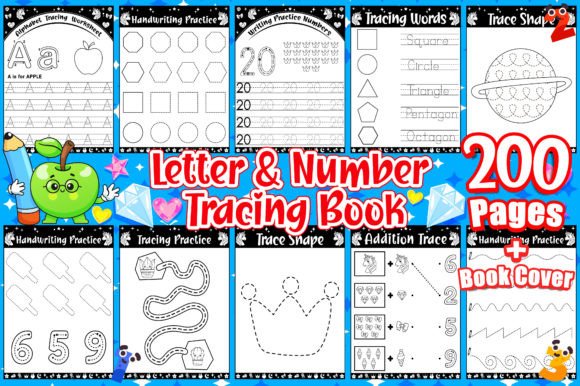
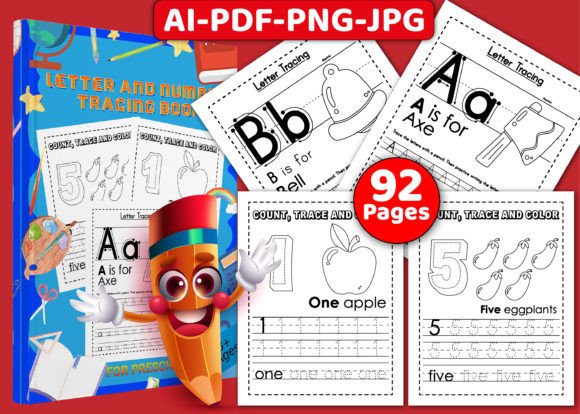
Letter tracing is the sheet most parents print first, and it earns that place. One letter per page, with a start dot and an arrow for each stroke, teaches the order of the strokes before the shape.
Print one letter a day, not the whole alphabet. A child who traces a single capital A for ten minutes remembers it better than one who rushes through six pages. A free Christmas bingo makes a good letter-free reward afterwards.
You will see the difference within a week. I always watched the stroke order, not the neatness. You can fix a wobbly line later.
- Best for: ages 4 to 5 who can already hold a pencil with three fingers
- Avoid for: a child who is still scribbling with the whole fist; use pre-writing lines first
2. Number Tracing 1 to 10
Number tracing works best when each digit sits beside that many dots or pictures. The child traces a 3 and touches three dots, so the symbol and the amount arrive together.
Stop at 5 for a three-year-old. Ten numbers on one page is a lot to ask before the age of four. For a pencil-control warm-up before this, try the drawing and worksheet games sorted by setup time.
You can count the dots aloud together. I do this every time. You will hear the child say the number before they write it. You can use a finger first.
- Best for: ages 3 to 5 learning that a numeral means an amount
- Avoid for: a child who has not started counting objects; do counting first
3. Shape Tracing
Shape tracing starts with the circle, then the cross, the square and the triangle. That is the order most children can draw them, because diagonals come last.
Pick sheets where each shape is at least 5 cm wide with a dotted outline. Tiny shapes frustrate small hands within a minute. The attention-span activity list shows how long each type of sheet usually holds.
You do not need a ruler. I draw the first shape in the air with my finger. Your child copies you, and you both laugh.
- Best for: ages 3 to 4 meeting the circle, square and triangle
- Avoid for: a child who cannot yet copy a vertical line; start with idea 4
You’ll need: a pencil and one page of large dotted shapes. Want it ready? See preschool shape tracing sheets.
4. Pre-Writing Lines and Curves
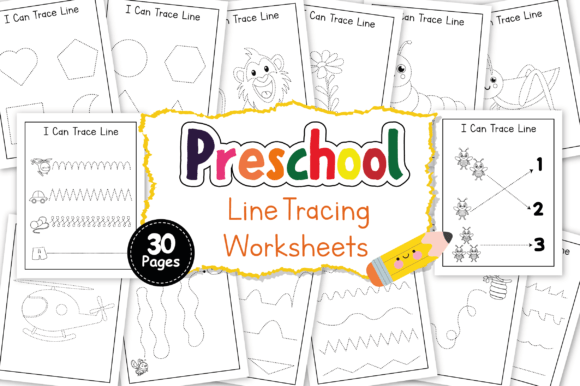
Pre-writing sheets are straight lines, zigzags, waves and loops, drawn inside a road or from one picture to another. They train the exact strokes letters are made of.
I put these before any letter sheet. A child who can follow a wavy line without leaving the track has the control that the letter S needs. If this sheet finishes early, the printable activities sorted by attention span has the next one.
You may feel it is too easy. I thought so too, until I watched a four-year-old fail at the letter S. You get better letters from better lines.
- Best for: ages 3 to 4 before they trace any letter
- Avoid for: a child who already writes their name; skip to idea 1
You’ll need: a crayon or a short pencil, because short pencils make the child hold it properly.
5. Beginning Sounds Match
A beginning sounds sheet shows a row of pictures and asks the child to circle the ones that start with the same sound. The child says the word aloud, which is the whole point.
Check the pictures before you print. A picture of a ‘hat’ that looks like a cap makes a four-year-old say the wrong word and learn the wrong sound. For a December rainy day, the Christmas activities sorted by how long they hold use the same minute-by-minute idea.
You say the word, the child says it back. I stretch the first sound, as in sssun. You will hear who is ready.
- Best for: ages 4 to 5 who know a few letter names
- Avoid for: a child who does not yet hear that ‘cat’ and ‘cup’ start the same
You’ll need: a pencil, or a bingo dauber if you want less pressure on the hand. Want it ready? See beginning sounds sheets for preschool.
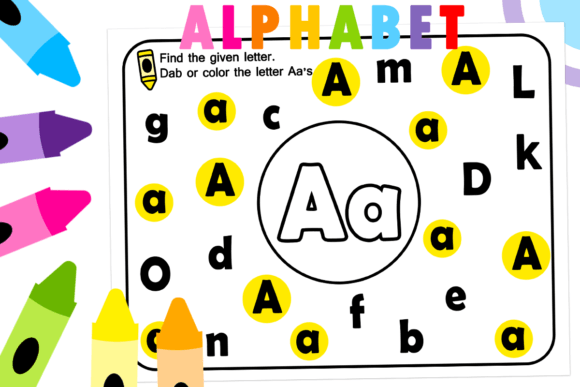
6. Alphabet Find and Highlight
This sheet hides one target letter among many, and the child highlights every copy. It trains the eye to tell an uppercase B from a D, which is the hardest part of early reading.
One letter per page works well, because a child can finish a page and feel done. Pair it with a game from the printable games for kids for a break.
You can turn it into a hunt. I give a child a different colour for each round. You will notice which letters they miss. You will love how quiet it gets.
- Best for: ages 4 to 5 who mix up letters that look alike
- Avoid for: a child who cannot yet name any letters
7. Counting Objects to 10
Counting sheets give a box of pictures and ask the child to circle the number. A child counts best when the objects sit in a neat row, because they can touch each one once.
Ask them to point first and circle second. Pointing stops the double counting that makes the answer wrong. For a rainy-day version, our printable games for kids turns counting into a game.
You can lay out real buttons first. I count them with the child, one touch each. You then print the sheet for a quiet rest.
- Best for: ages 3 to 5 who say numbers but skip objects
- Avoid for: a child who counts by reciting and never touches the items
8. Cut and Paste Shapes
A cut-and-paste sheet asks the child to cut shapes from one page and glue them on matching outlines on another. It trains scissors, matching and following two steps in one go.
Cut the page into two strips yourself. A long strip of shapes is easier for small hands than a full sheet. The black and white gift tags are another good scissors-and-glue page.
You hold the page, and the child holds the scissors. I mark a thick line to follow. You will watch the first snip with pride.
- Best for: ages 4 to 5 practising scissors with a purpose
- Avoid for: a child under three; scissors and glue need a closer adult
You’ll need: child-safe scissors, a glue stick and two pages. Want it ready? See cut and paste preschool sheets.
9. Pattern Sequencing
A pattern sheet shows a row such as red, blue, red, blue and asks what comes next. It is the first maths a child does without numbers, and it prepares them for counting in twos.
Begin with an AB pattern, then ABB. Move to ABC only when the child gets the easy ones right without help. Teachers can keep these in a binder; see the teacher binder printables with no email wall.
You can say the pattern like a chant. I clap it, too. You will know the child has it when they clap along. You can start with colours.
- Best for: ages 4 to 5 ready for the ‘what comes next’ game
- Avoid for: a child who guesses; show the first two repeats aloud
You’ll need: crayons in two or three colours.
10. Same and Different
Spot-the-difference sheets for preschoolers have two pictures with three differences, not ten. The child looks, compares and points, which is observation, the skill reading needs next.
A good sheet changes big things: a missing hat, a different colour, an extra tail.
You should keep the pictures plain. I cover half of the page with my hand at first. You uncover it when the child is ready. You can hide one picture.
- Best for: ages 3 to 5 waiting in a car or at a table
- Avoid for: a child who is easily upset by getting it wrong
You’ll need: a pencil and a piece of paper to cover one picture, if you want to hide the answer. Want it ready? See same and different preschool sheets.
11. Big and Small
Size sheets ask the child to circle the bigger bear or the smaller cup. Words like ‘bigger’ and ‘smaller’ arrive with a picture, which is the way a three-year-old learns them.
Add a real version. Put a big and a small spoon on the table and let the child pick before the sheet comes out. A group of five can share one page, as in the classroom games that run with 25 kids.
You can ask the child to find something big in the room. I do it before every size sheet. You will see them go straight for the sofa.
- Best for: ages 3 to 4 learning words for size
- Avoid for: a child who already compares three objects by length
You’ll need: a crayon and two real objects to compare.
12. Matching Pairs
On a matching sheet the child draws a line from each picture on the left to its twin on the right. It is the easiest worksheet for a three-year-old, so it makes a good first page.
Use a thick marker for the line. A thin pencil line on a small drawing takes more control than the task itself needs. The classroom games list has matching rounds for groups.
You can start with two lines only. I used to start with the easiest pair for every child. You build up from there.
- Best for: ages 3 to 4 doing their first worksheet
- Avoid for: a child who needs a harder challenge; try idea 9
You’ll need: a thick marker or a crayon. Want it ready? See matching sheets for preschool.
13. Dot to Dot 1 to 10
A dot-to-dot sheet joins numbered points in order and a picture appears. Ten dots is the right limit for four-year-olds, and twenty suits five-year-olds who count well.
Check the spacing. Dots closer than 2 cm apart make the line wobble and spoil the picture. Hunt for the dots on a walk with the scavenger hunt lists by age afterwards.
You can count aloud with them as the line grows. I sit on the child’s left side so I do not block the page. You will see the picture appear. You can add a star at the end.
- Best for: ages 4 to 5 who count to ten
- Avoid for: a child who still skips numbers when counting
You’ll need: a pencil with a clean eraser.
14. Simple Mazes
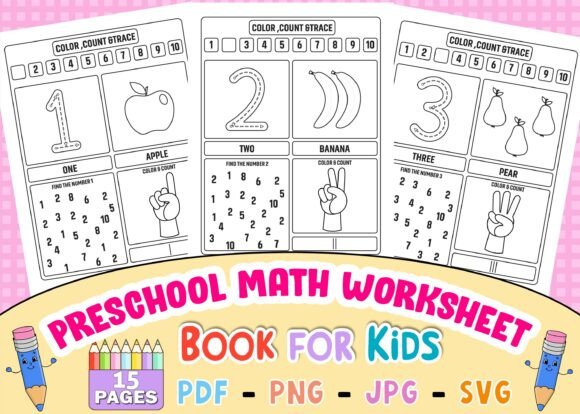
A good preschool maze has one clear route with wide lanes. The child follows it with a pencil, and the planning skill is the same one used for letter spacing later.
Wide lanes matter more than clever walls. If the path is narrower than a crayon, the child gives up. Older siblings may prefer the one-sheet Christmas scavenger hunt.
You can trace the route first with your finger. I always do. You then hand over the pencil.
- Best for: ages 4 to 5 who like a quiet puzzle
- Avoid for: a child who becomes frustrated when the pencil crosses a wall
You’ll need: a pencil, and a red crayon to mark the start. Want it ready? See preschool maze sheets.
15. Name Tracing
A name tracing page gives the child’s own name in dotted letters. It is often the first word a child wants to write, so it holds attention better than any letter drill.
Write the name with a capital first letter and lowercase after it. A name in all capitals teaches a shape the child will meet nowhere else. For a longer quiet stretch, see indoor drawing and worksheet games.
You should write it large and clear. I put a small star at the start of the name. You can hang the finished page on the fridge.
- Best for: ages 3 to 5 keen to write their own name
- Avoid for: a child who cannot yet trace a straight line
You’ll need: a pencil and the child’s name typed in a dotted font, or written by you in dots.
16. Uppercase and Lowercase Matching
A matching sheet joins ‘A’ to ‘a’, ‘B’ to ‘b’ and so on. Some pairs look alike (C and c), others do not (G and g), so start with the like pairs.
Do six pairs a day, not twenty-six. The child learns the six, and tomorrow’s six feel easy. For a seasonal twist, the Valentine coloring pages use the same crayon-sorting idea.
You can cut the sheet into pairs for a game. I turn them face down and ask for a match. You will hear them say the letter sounds. You can do six pairs today.
- Best for: ages 4 to 5 who know the uppercase letters
- Avoid for: a child who still mixes up b and d; fix that first
You’ll need: a coloured pencil for each pair, so the child can see the lines apart. Want it ready? See upper and lowercase matching sheets.
17. Sorting by Colour
Sorting sheets ask the child to colour items and place them in the right box: all the red ones in this basket, all the blue ones in that. It teaches sorting, which is the root of data and sets in maths.
Use real crayons that match the box. A sheet printed in black and white and coloured by the child is cheaper on ink and teaches colour names as well. A free Valentine coloring set is a cheap colour-sorting practice page.
You can sort real socks first. I never skip this step. You will find that the sheet then feels easy.
- Best for: ages 3 to 4 who know four basic colours
- Avoid for: a child who has not yet learned colour names
You’ll need: red, blue, yellow and green crayons.
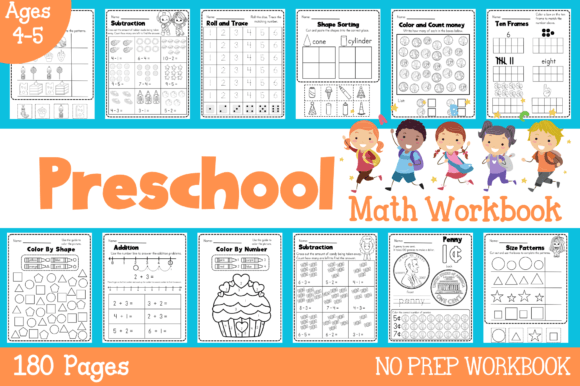
18. Preschool Math Workbook Pages
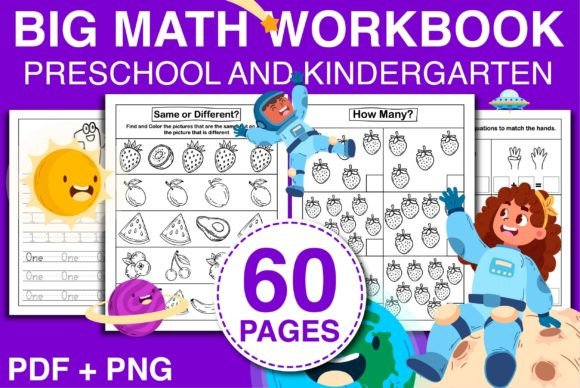
Not every maths sheet needs to be a loose page. A long workbook lets you give one page a day for a school term, so the child gets a fresh task each morning without you hunting for one.
A 180-page file is built for this: the pages are planned out across many weeks, so it works as a term-long routine rather than a one-off.
You will want a folder for it. I used a plain card folder and a date stamp. You can tick the pages as you go. You can pick a start day.
- Best for: ages 4 to 5 in a daily routine
- Avoid for: a family that wants one sheet and nothing more
19. Rhyming Picture Match
Rhyming sheets show pictures such as cat, hat, sun and bun, and the child joins the ones that sound alike. Say each word aloud together, because rhyme is heard first and seen second.
If the child links the wrong pair, say both words slowly. The ear fixes the mistake faster than any correction. The no-prep party games include a few rhyme rounds.
You can say the rhyme in a funny voice. I do, and it works. You will hear the giggles before the circling starts.
- Best for: ages 4 to 5 who like songs and nursery rhymes
- Avoid for: a child who cannot yet clap the syllables of their own name
You’ll need: a pencil and a rhyme to say aloud. Want it ready? See rhyming picture sheets for preschool.
20. Seasons and Weather
A seasons sheet asks the child to circle the right clothing for snow or sun, or to colour the tree in autumn colours. It ties the sheet to something the child can check at the window.
Take the sheet to the window. Looking outside and then circling the coat makes the lesson stay. In December, the easy elf on the shelf ideas suit the same age.
You can open the window and look out together. I did it each Monday. You then decide which coat the sheet should have. You can keep it to one season.
- Best for: ages 4 to 5 who ask about the weather each morning
- Avoid for: a child who has only seen one season and the pictures confuse them
You’ll need: crayons in green, orange, white and blue.
21. Body Parts
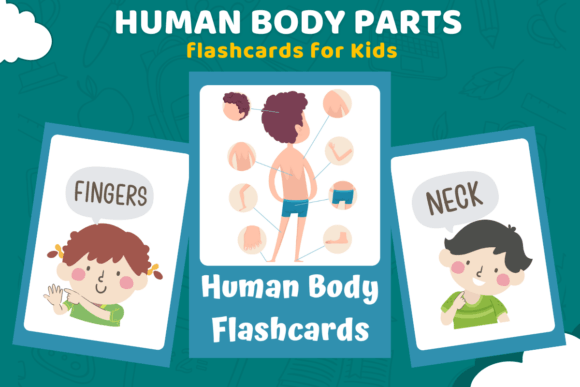
Body-part cards and sheets show a face or a body with words such as arm, knee, ear and toe. The child points at the same part on their own body before they point on the page.
Play ‘touch your knee’ first. A word the body has already felt is a word the eyes can read. Add the scavenger hunt lists for a find-the-body-part game.
You can play ‘touch your knee’ as a warm-up. I do it before I show the cards. You will see them find the body part first.
- Best for: ages 3 to 5 learning names for the body
- Avoid for: a child in a speech assessment, unless the therapist agrees
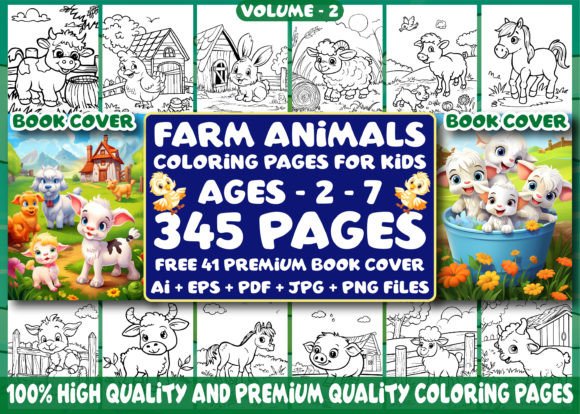
22. Farm Animals
Farm animal pages let a child colour a cow, a hen or a pig and say its sound. The picture does the talking, and the child does the colouring and the noise.
Ask the child to tell you where each animal sleeps. One question turns a colouring page into a small lesson. For a calm evening, try the Christmas Eve activity blocks.
You can make the animal noise together. I picked a different one each day. You get colouring and speaking in one go. You can pick the cow first.
- Best for: ages 3 to 5 who love animals
- Avoid for: a child who dislikes colouring; try a sorting sheet
23. Ocean Life
Ocean pages bring fish, turtles, whales and crabs to the table. Bold outlines with open space inside are best, because small hands can colour inside them.
Pick a set with simple outlines. A page crowded with thin lines is ink and patience wasted. The easy printable games take the same five minutes.
You can talk about the sea while they colour. I keep a shell on the table. You will hear plenty of new words.
- Best for: ages 3 to 5 who ask for sea creatures
- Avoid for: a child who needs pages with lots of detail
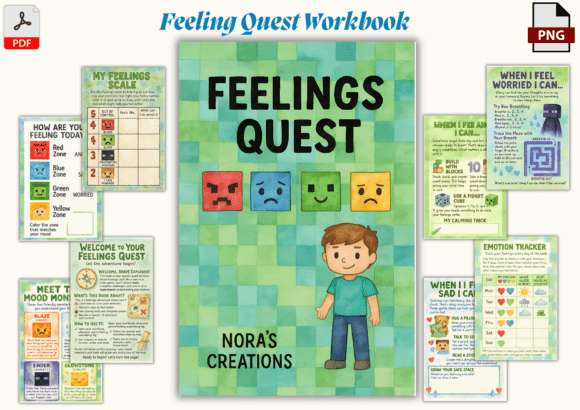
24. Feelings Faces
A feelings sheet shows faces for happy, sad, angry and scared, and the child circles the one that matches today. Naming a feeling is the first step to handling it.
Do it after a calm moment, not in the middle of a tantrum. A child can name a feeling when they have stopped having it. The bingo cards for a class are a calm group follow-up.
You can make a face yourself and ask which one it is. I do the grumpy one best. You will get a smile out of them. You can try the sad face first.
- Best for: ages 4 to 5 learning words for how they feel
- Avoid for: a child in the middle of a meltdown; wait for calm
Counting activities for preschool: how to start
Start counting activities for preschool with real objects before paper. Let your child count blocks or snack pieces to five, then to ten, and only then move to a counting worksheet. Choose a page with big, clearly separated pictures and a space for one answer. Stop after one sheet if attention drops, and come back to it the next day.
Preschool writing printables: what to print first
For preschool writing printables, begin with pre-writing lines and curves, not letters. Children need straight, curved and zigzag strokes before a pencil will follow a letter shape. Print one sheet with thick dotted lines and a clear start mark, use a short pencil or chunky crayon, and praise effort, not neatness. Move to name tracing and letter tracing once the lines feel easy.
If it goes wrong
- The child refuses the page. Stop at once and offer a different skill tomorrow; a refused sheet rarely returns on the same day.
- The sheet is too hard. Go one idea back in the list, for example from letter tracing to pre-writing lines.
- The page needs an email before the download. Close it. A real sheet shows its preview and gives the file on the same page.
- The printer runs out of ink. Choose outline-only pages and print in greyscale.
- The pencil keeps dropping. Switch to a short thick crayon, which forces a proper grip.

Key takeaways
- Match one skill to one page and print one page at a time.
- Check the age and the minutes before you press print.
- Start with pre-writing lines before letters and with matching before counting.
- Say words aloud with the child; the sheet is only half of the lesson.
- Choose outline pages in black and white to save ink.
- Stop when the child stops, and come back tomorrow.
When the free version isn’t enough
A single free sheet is fine for a rainy afternoon. It runs out when you want a term of daily pages in the same style, because you then print, sort and file thirty separate downloads. A full workbook solves that with one file and a page for each day, such as the 180-page preschool workbook. For more printables by age, see our printable games for kids, and classroom games that run with 25 kids.
Common questions
What age should a child start preschool worksheets?
Most children are ready for short, guided worksheets at around three, starting with matching and large-line tracing. Before that, play, drawing and sorting real objects do the same job better. Never force a sheet on a child who is not interested yet.
How many worksheets a day is right for a preschooler?
One to two sheets, ten minutes each, is plenty for a four-year-old. A three-year-old does well with a single sheet of five to eight minutes. Stop earlier if the child loses interest, and try again the next day.
Are free preschool worksheets printables good enough?
Yes, for single skills. A free sheet teaches letter tracing or matching as well as a paid one. Paid files help when you want a long, consistent set for a whole term, rather than a one-off sheet.
How do I print preschool worksheets without wasting ink?
Choose pages with white backgrounds and outline drawings, and print in greyscale or draft mode. Avoid pages with solid colour bands. Print one copy, check it, then print the rest.
Which worksheets should I start with for a three-year-old?
Start with matching pairs, big and small, and pre-writing lines. They need no letter knowledge and use a thick crayon. Move to shape tracing once the child follows a straight line without leaving the path.
Do preschool worksheets help children learn?
Short worksheets help when they train one skill the child is ready for, such as pencil control or counting. They help less when they replace play. Use them for ten minutes, then go back to blocks, paint and stories. For a ready set, see the 60-page math activity workbook.