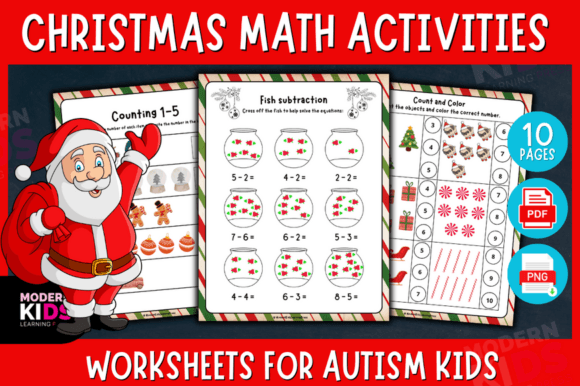
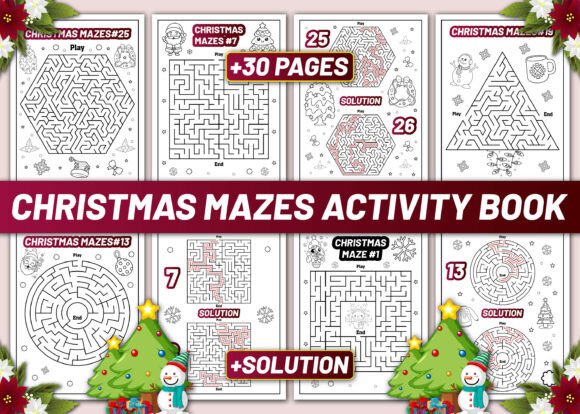
It’s 6pm on Christmas Eve, dinner is barely cleared, and your child is already too wound up to sit still. You printed a stack of activities for tonight, but nobody told you which one to hand over first, or when the quiet one needs to come before the loud one so bedtime doesn’t fall apart.
What actually works, and what you will keep coming back to once you’ve run it once, is treating the evening as five short blocks, not a pile of activities to work through in any order.
Here’s the plan I use: five blocks, about 6pm to 9pm, one activity per block, each one picked for what it does to the room, not just what it is.
Quick answer: Split the evening into five blocks of 20 to 60 minutes: dinner and settling down, one quiet craft, story and tradition, a last magic touch, then wind-down to bed. Give each block exactly one activity, not several, so the child isn’t dropping one thing to pick up the next.
If you’re short on time, merge the craft and the magic-touch blocks into one 20-minute block, but keep wind-down separate no matter what. A ready-made Christmas printable bundle covers blocks 2 and 4 without you drawing anything.
What Makes a Christmas Eve Evening Fall Apart (And Why It’s Not the Kids)
You print a Christmas Eve activity, hand it over, and it holds for three minutes before the child is asking what’s next. That’s not a bad activity. It’s a missing plan for the hour around it.
Evening lists almost never say what time to start each activity, only what the activity is. You get a stack of ideas with no order and no clock attached to any of them.
- No sequence: a quiet activity and a loud one sit next to each other on the same list, with nothing telling you which comes first.
- No stopping point: nothing says when to move on, so the evening either rushes or drags past bedtime.
- No wind-down built in: the list ends at the last activity, not at the child falling asleep calmly.
Pro tip: write your own five block times on a sticky note before dinner. You don’t need a printed schedule, just the start time of each block where you can glance at it.
None of this is the child’s fault, even on the nights it feels that way. A three year old and a nine year old are both reacting to the same missing structure, just in different directions.
The younger one melts down because nobody told her what comes next, and the older one keeps asking “are we doing presents yet” because there’s no clear marker for where the evening is in its own timeline.
Once there’s a visible sequence, both problems shrink. A child who knows block 3 means story time and block 5 means bed stops asking what’s next, because the answer is already built into the evening.
Evening lists almost never say what time to start each activity, only what the activity is: when a duration is given at all, it’s usually for one or two items on the list, not the whole evening. A clock attached to each block is the part no one hands you.
If you’d rather not sketch out block 2 and block 4 yourself, a ready-made printable set already has both covered.
The 5-Block Evening at a Glance
Here’s the whole evening in one pass, so you can see where each activity sits before you commit to it.
- Block 1, Dinner and Settling Down, 6pm to 7pm: eat, clear the table, change into pyjamas.
- Block 2, One Quiet Craft, Not Five, 7pm to 7:30pm: a single table activity, nothing switched out halfway through.
- Block 3, Story and Tradition, 7:30pm to 8pm: a read-aloud or a repeated family ritual.
- Block 4, Last Magic Touch, 8pm to 8:15pm: something short that marks the night as different from any other.
- Block 5, Wind-Down to Bed, 8:15pm to 9pm: lights down, voices down, straight into the bedtime routine.
This is a frame for a three-hour evening, not a measured average. Plan for about these times, and adjust the exact minutes to your own house.
Print this list, or just copy it onto the planner template below, and stick it somewhere you’ll glance at it mid-evening. The point isn’t to follow it to the minute.
It’s to know, at 7:40pm, which block you’re supposed to be in, so you can tell whether you’re running on time or need to shorten what’s left.
Block 1: Dinner and Settling Down (6pm to 7pm)
This block has one job: get from a full table to a calm one, with pyjamas already on.
- Serve dinner at a set time instead of “whenever everyone’s ready”. A fixed start makes the whole evening easier to time.
- Have pyjamas laid out before dinner starts, so changing after the meal takes two minutes, not twenty.
- Skip screens in this block entirely. Starting the evening on a screen makes block 2 harder to begin, because you’re fighting to turn it off instead of just starting something new.
I used to let this block run long because nobody was rushing. The problem is every extra ten minutes here comes straight out of wind-down later, and wind-down is the block you can’t afford to shorten.
If there’s present-opening on Christmas Eve in your house, it goes at the end of this block, not folded into block 4 later. Doing it here means the excitement has the rest of the evening to come back down before bed.
You can write this exact running order onto the same planner template you’ll use for the whole evening, so block 1’s cutoff time is sitting right there on the fridge.
Block 2: One Quiet Craft, Not Five (7pm to 7:30pm)
Every printable pack, one licence
The bundles I use for classroom and party printables live in one subscription — commercial use included, no per-file checkout.
This is the block where most evenings go wrong. Parents lay out four or five different craft options, thinking more choice means more fun. It means the opposite: a child who samples each one for ninety seconds and finishes none of them.
- Pick one activity for this block. Not a stack, not a choice of three. One.
- Choose something with a visible end point, like a coloring page or a dot-to-dot, so the child can tell when it’s finished.
- Keep it at the table where dinner just happened. Moving rooms between blocks 1 and 2 adds a transition that eats minutes you don’t have.
Here’s how I check it: if a child asks “what else is there?” before the activity is done, the activity was the wrong pick for this block, not the child being difficult.
Pro tip: keep a second, near-identical activity in reserve for a sibling who finishes first, so nobody’s waiting on the other.
What I don’t do in this block: hand over a blank sheet of paper and a box of crayons and call it a craft. Open-ended drawing works fine on an ordinary afternoon.
But on an evening running on a tight clock, a child needs a visible shape to work toward, not a decision about what to make.
Most kids love a game with a built-in finish line more than a blank page, which is why a coloring-based game with the rules already on the sheet tends to hold this block better than crayons alone.
Block 3: Story and Tradition (7:30pm to 8pm)
This block slows the pace on purpose. After a craft, the room is still busy. A story or a repeated family ritual brings the energy down before the magic-touch block, which needs a calmer room to land well.
- Read the same story every year if your family has one. The familiarity is the point, not a drawback.
- Keep the lighting lower than dinner, even if it’s just one lamp instead of the overhead light.
- Let the child sit still for this one. If they want to lie down on the sofa while you read, that’s the block working.
What goes wrong in a real room: a story picked for length instead of pace runs long and the child stops listening halfway through. Pick a shorter story you both know well over a longer one you’re reading for the first time.
A family tradition can stand in for the story entirely. A short walk to look at neighborhood lights, a candle you light the same way every year, or a photo you take in the same spot on the stairs all do the same job.
They slow the room down and make the evening feel magical without needing a book, a screen, or a single printed sheet at all. If this block ever needs backup, keep a quiet sheet from the printable set on hand instead of improvising.
Block 4: Last Magic Touch (8pm to 8:15pm)
This is the shortest block and it earns its spot on the clock by being short. One small thing that makes tonight different from any other night, done quickly, then straight into wind-down.
- Keep it under 15 minutes. A magic-touch activity that drags starts fighting with bedtime.
- Make it visual: something the child can look at again tomorrow morning, not something that’s over the second it’s finished.
- Don’t introduce anything new here that needs instructions. By 8pm, nobody has the patience to learn new rules.
I tried running a longer activity in this slot once. It pushed wind-down back by twenty-five minutes and the whole evening ran late because of one block that was supposed to be the short one.
Block 5: Wind-Down to Bed (8:15pm to 9pm)
This block has no activity in the usual sense. Its job is to bring the whole evening down to a stop, not add one more thing to do.
- Dim the lights across the house, not just in one room.
- Drop your own voice and movements. Kids take their cue from the adult in the room more than from the clock.
- Go straight into the normal bedtime routine: teeth, bed, lights off. Don’t add a new activity here, even a quiet one.
How I check it’s working: if the child is asking “can we do one more thing” during this block, something from block 4 ran too exciting or too long, not that wind-down itself failed.
How Long Each Activity Actually Holds Attention
When a duration is given at all for Christmas Eve activities, it’s usually just for one or two items on a list, not the whole evening. That’s the gap this schedule is built to close.
- Block 1 (dinner and settling): plan for about 60 minutes, including the pyjama change.
- Block 2 (quiet craft): about 30 minutes for one sheet-based activity, less for younger children.
- Block 3 (story): about 30 minutes, shorter if the story itself is short.
- Block 4 (magic touch): 15 minutes, no longer.
- Block 5 (wind-down): about 45 minutes from lights-down to lights-out.
These are planning numbers for your own house, not a measurement taken from watching other families. Treat them as a starting clock, then adjust block by block once you’ve run it once.
A dot-to-dot activity tends to hold attention longest in block 2, since the finish line is visible the whole time.
The first year you run this, expect the numbers to be a little off. A child who normally focuses for 20 minutes on an ordinary afternoon often holds less than that on Christmas Eve, because there’s more happening in the background than a usual day at home.
Run the schedule once, write down what actually happened next to each block, and use that version next year instead of the one here.
What to Skip If Bedtime Is Already Late
Some years dinner runs long, or you’re coming back from somewhere, and 6pm has already slipped to 7pm. The schedule still works, it just gets shorter in the middle.
- Merge blocks 2 and 4 into one 20-minute block: one quiet craft that doubles as the night’s small bit of magic.
- Shorten block 3 to ten minutes of story rather than cutting it. The story is doing real work calming the room before bed.
- Never cut block 5. Wind-down is the block that protects the rest of the night’s sleep, and it’s the one most parents are tempted to skip when time is short.
Pro tip: decide which block you’ll merge before the evening starts, not in the moment. Deciding on the fly usually means cutting wind-down instead. A single sheet from the printable bundle can cover the merged craft-and-magic-touch block without you having to improvise two activities into one on the spot.
If you’re arriving home from somewhere at 7pm and dinner hasn’t happened yet, fold block 1 down to whatever gets everyone fed and into pyjamas, even if that’s a sandwich instead of a full meal.
The schedule cares about the sequence staying intact far more than it cares about any single block being done properly.
Adjusting the 5 Blocks for Toddlers vs. Big Kids
The five blocks stay the same at every age. What changes is how long each one runs and how much you do for the child versus how much they do themselves.
- Ages 3 to 4: shorten block 3 to about 10 minutes. A long story loses a toddler fast, and a restless toddler at 7:40pm makes every later block harder.
- Ages 5 to 6: run the schedule as written. This is the age range it’s built around.
- Ages 7 to 9: you can double block 2 to about 30 minutes with one more involved activity instead of swapping tasks. Older kids hold focus longer on a single thing than younger ones do on several.
With more than one age in the house, run block 2 at the younger child’s length and let the older one keep going quietly after the younger one’s finished.
- Mixed ages under one roof: let block 3’s story be the one block everyone shares, since a shared story works at almost any age, even if the older child is quietly along for the ride rather than fully engaged.
- A toddler who won’t sit for block 3 at all: swap the read-aloud for the same story on a quiet recording, played while you handle whatever block 4 needs setting up.
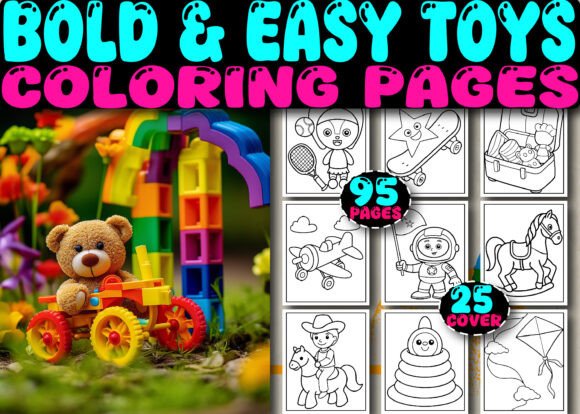
For the youngest end of this range, large, simple outlines hold block 2 better than anything with fine detail, since a tired toddler will give up on small lines fast.
If You Only Have 90 Minutes, Not 3 Hours
Not every house gets three hours between dinner and bed on Christmas Eve. Here’s the same five blocks compressed into 90 minutes.
- Dinner and settling: 20 minutes. Pyjamas go on at the table if you have to.
- Quiet craft and magic touch, merged: 25 minutes, one activity doing both jobs.
- Story: 15 minutes, one short book.
- Wind-down: 30 minutes, non-negotiable.
That’s 90 minutes with the structure intact and nothing skipped outright, just shortened. The order matters more than the length: keep quiet-then-calmer-then-bed in that sequence even when you’re compressing everything else.
One sheet from the printable set covers the merged craft-and-magic-touch block without you prepping two things at once.
This compressed version is also the one to use on a night when a child is already overtired before you’ve even started, say after a long drive or a late afternoon party.
A tired child doesn’t need a longer evening. They need the same four stops, done faster, ending in the same calm place.
The One Thing No Christmas Eve List Tells You: When
Most Christmas Eve activity lists are long on ideas and short on timing. Even the most thorough ones name a duration for well under half their activities, and almost none of them say what time to start any of it.
That’s the actual gap. A list of sixteen things to do on Christmas Eve is not a plan for the evening, it’s a menu with no order attached. You’re still the one deciding what comes first, what comes last, and when to stop.
- A good activity in the wrong block still causes a bad evening: the magic-touch idea in block 4 running twenty minutes long pushes bedtime, no matter how good the activity itself is.
- A plain activity in the right block still works: a simple coloring page at 7pm, right after dinner, holds a child who’s not ready for anything more involved yet.
What I do now is plan the clock before I plan the activities. Once the five blocks have their times, slotting in a ready-made printable for each one takes five minutes, and you will know exactly which sheet goes where before dinner is even on the table.
It also means a plain, ordinary activity stops feeling like a letdown. A simple coloring page doesn’t need to compete with anything elaborate if it’s doing the right job for its block. The block it sits in matters more than how impressive the activity looks on its own.
Supplies You Likely Already Have at Home
Nothing in this schedule needs a shopping trip. Here’s what the blocks actually use.
- A home printer and plain paper for blocks 2 and 4.
- Pencils, crayons, or washable markers already in the house.
- A book your family already owns for block 3, or one saved on a tablet.
- A lamp or dimmer for block 5. You’re not buying mood lighting, just using what’s already lower than the overhead light.
If you’d rather not search your own shelves for the right sheet for blocks 2 and 4, a ready-made Christmas printable set gives you those two blocks’ activities already laid out, so there’s nothing to draw yourself.
Keeping the Same 5 Blocks Every Year Without It Getting Boring
The structure can repeat every year. What changes is what goes inside each block.
- Keep block 1 and block 5 identical year to year. Dinner and wind-down are the blocks that build the sense of tradition, and repetition is the whole point here.
- Rotate what fills block 2 and block 4 each year, so there’s always something new to open even though the schedule around it is familiar.
- Keep block 3’s story the same for as many years as the child wants it. Asking to hear the same story again is a sign the tradition is working, not a sign to swap it out.
A reusable activity book for blocks 2 and 4 means you’re not redrawing anything each December, just picking a fresh sheet from what you already have across several evenings, not only the 24th itself.
I keep a folder from year to year with whatever sheets didn’t get used, so there’s always a backup on hand if a child finishes block 2 faster than expected.
Nothing in that folder goes to waste. It just waits for next December, or for a quiet afternoon earlier in the month.
Ask an older child, once they’re old enough to have an opinion, which part of the evening they’d keep exactly the same. More often than not it’s block 3 or block 5, not the craft itself. That’s worth knowing before you plan next year’s version.
Ready-Made Christmas Eve Printables for a Full Evening
You can plan the five blocks on your own, but drawing a fresh quiet craft and a fresh magic-touch activity by hand, every single December, is a real job on top of everything else Christmas Eve already asks of you.
That’s the gap a ready-made set closes: activities already laid out for blocks 2 and 4, so the schedule above takes five minutes to fill in instead of an evening to design.
Each sheet below slots into a specific block rather than sitting as a generic “Christmas activity” with no place in the evening. That’s the real difference between opening a folder of printables and following a schedule: every page already has a time on the clock where it belongs.
Unlimited creative assets. Access to AI tools.
Commercial licence included.
Get downloadsA set of coloring-based games with the rules already printed on the page, so block 2 doesn’t need you to explain anything before handing it over.
Large, simple outlines that suit younger children in block 2 or the wind-down end of block 5, when fine detail just slows a tired child down.
A full book of pages, not just one sheet, so one download covers block 2 across several evenings in December, not just Christmas Eve itself.
Unlimited creative assets. Access to AI tools.
Commercial licence included.
Get downloadsA quiet activity with a clear finish line: the picture is done when the last number is joined. Good for block 2 or the short block 4 slot.
A planner template you can edit to write out your own five blocks and times on paper, so the schedule above is something you can pin up, not just read once.
A set of coloring-based games with the rules already printed on the page, so block 2 doesn’t need you to explain anything before handing it over.
For the rest of December, our classroom Christmas games for a full class and easy Christmas games for family cover the party and the living room. Our free printable Christmas games with no email wall is the place to start if you’d rather keep tonight free.
Browse Christmas activities for kids and Christmas games for kids for more of the season.
Frequently Asked Questions
What are the best Christmas Eve activities for kids before bed?
A short, quiet one. Block 4’s job is a small magic touch under 15 minutes, not a new game with rules to learn. Save anything longer or louder for earlier blocks.
If you’re googling the best xmas activities for kids the night before, this is the order that actually gets them to sleep on time, not just a list of ideas.
What age are these Christmas Eve activities suitable for?
Ages 3 to 9 cover the schedule as written, with block lengths adjusted at either end: shorter story time for 3 to 4 year olds, a longer single craft for 7 to 9 year olds.
How many printables should I print for one child?
One sheet for block 2 and, if you’re not merging blocks, one more for block 4. That’s two pages per child for the whole evening, not a stack to choose from. A printable bundle gives you more than enough sheets to pick those two from without reprinting the same one for every child.
How do I stop kids getting too excited on Christmas Eve?
Keep the loudest part of the evening in the middle, not right before bed. Blocks 3, 4 and 5 step down in energy on purpose, ending in a wind-down block with no new activity at all.
Can I use this schedule with more than one child or a big group?
Yes. Keep block 2 at the younger child’s length and let an older sibling continue quietly once the younger one has finished. For a larger group of children, give each one their own sheet in block 2 so nobody’s waiting on a shared activity.
Best Christmas activities for kids on the night itself?
The five blocks above, in order: settle in over dinner, one quiet craft, a story, one short magic touch, then straight into wind-down. The order matters as much as the activities themselves. If you’re searching for fun things to do Christmas Eve, this five-block order is the answer, not another list of ideas with no sequence attached.
What time should Christmas Eve activities for kids start?
Right after dinner is cleared, which lands around 7pm for most families eating at 6pm. Starting the first activity before the table’s cleared just means doing both at once, badly.
Do I need different activities for each block, or can one activity cover two?
One activity can cover blocks 2 and 4 together if you’re short on time, as long as it’s quiet and short enough to fit the merged slot. It should not also try to cover block 3, since that block needs the slower pace of a story, not a craft.
What are good Christmas Eve activities for kids at home, with nothing bought in advance?
Dinner, one printed sheet, a story you already own, and a short ritual like looking at the lights. Every Christmas Eve activity for kids at home in this schedule uses supplies most houses already have, or a single sheet from the printable set if you’d rather not draw one yourself.
What are the best Christmas Eve ideas for kids who get overexcited easily?
Keep the loud part early and the quiet part late. Fun Christmas Eve activities for kids don’t have to mean high energy all evening, and the wind-down block is what actually gets an excitable child to sleep on time.
Do Christmas Eve activities for toddlers need their own version of this schedule?
Not a separate schedule, just shorter blocks. A toddler runs the same five blocks with block 3 cut to about 10 minutes and more help from an adult in block 2.
Key Takeaways
- Split Christmas Eve into five blocks from about 6pm to 9pm: dinner and settling, one quiet craft, story and tradition, a last magic touch, then wind-down to bed.
- Give each block exactly one activity. Laying out several options at once is what makes a child abandon all of them after a minute.
- Most Christmas Eve activity lists name a duration for well under half their items and almost never say what time to start anything, which is the actual gap a timed schedule closes.
- Short on time: merge the craft and magic-touch blocks into one, but never cut wind-down.
- Printables already laid out for blocks 2 and 4: a ready-made Christmas Eve printable set saves you drawing a fresh activity every December.
- Adjust block lengths by age, not the sequence itself: younger children get a shorter story in block 3, older ones can hold a longer single craft in block 2.
About the author: Hi, I’m Tess. I taught preschool for nine years and now make the printables I used to photocopy at 7am. Every game here has been played with a real group of kids before it goes up, and I tell you how long it actually held their attention, not how long it should have.