It is the last week of August, the binder is empty, and the page that promised free teacher binder printables wants your email before it shows a single sheet. These fifteen sheets skip that. Each one is a plain grid you rule on ordinary paper with a black pen, and each one says what goes in the columns, when you reach for it and where it sits in the binder.
Quick answer:
- Sheets: fifteen, in three sections of five: planning, class, parents and substitute.
- You need: a ring binder, a hole punch, a ruler and a black pen. No colour, no sign-up.
- Time: plan for about two evenings to rule the set; copy the master sheets once and reuse them all year.
- Order: cover, three dividers, then the sheets in the order below.
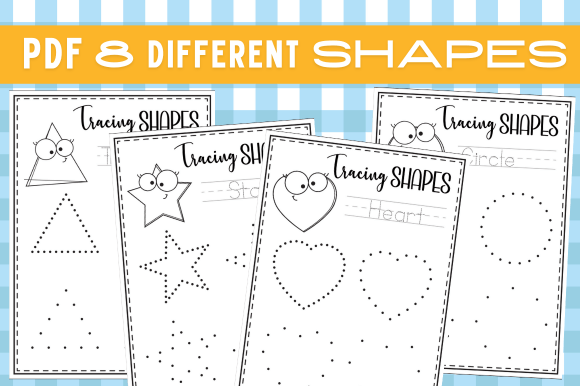
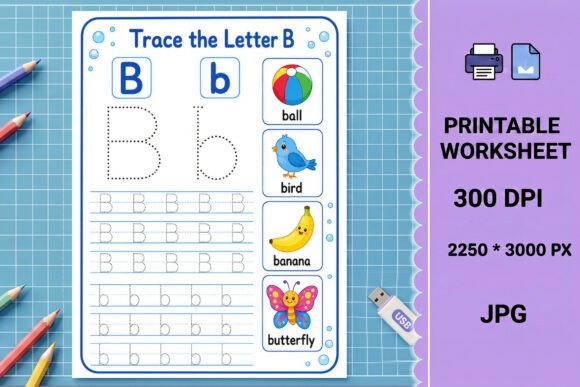
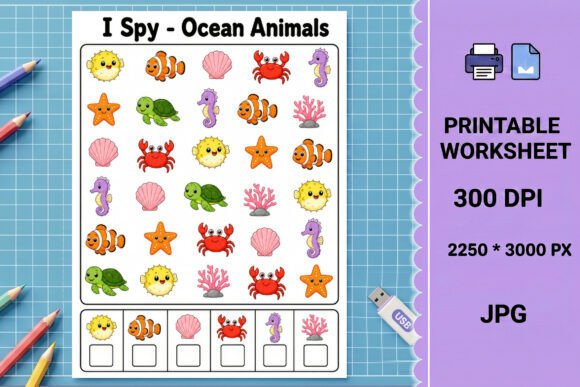
- No time to rule grids: a ready-made classroom printable bundle gives you the pages already laid out.
Teacher Binder Printables: 15 Sheets, No Email Required
Most pages that offer a full teacher binder put the download behind a mailing list or a discount code. Hardly any of these free teacher binder printables say what you will print, and none of them mention how much ink a coloured binder eats. A teacher with a school printer and a tight week needs a different answer: which sheets, in which order, and what to write in each column.
So every sheet below is a master you draw once, so you can prepare the whole binder in two evenings. Photocopy it, punch it, and the binder is ready by Monday. If you would rather skip the ruler, a printable teacher planner has the layouts made.
A teacher binder is only as good as the sheet you can find in ten seconds. Three clear sections beat sixty pretty pages every time.
What to Put in a Teacher Binder: Three Sections
When people ask what to put in a student teacher binder, the honest answer is: only what you reach for in the middle of a lesson. I sort it into three sections, each with its own divider.
- Planning: the year, the month, the week, your goals and your meeting notes. You open it before the children arrive.
- Class: names, attendance, seating, behaviour and skills. You open it every day.
- Parents and substitute: contact log, conference notes and the pages a cover teacher needs. You open it when something goes wrong.
Five sheets per section keeps each one thin enough to flip through with one hand. A classroom printable bundle is organised the same way. Add a sixth only when you have used the first five for a month and still reach for something that is missing. For classroom games to go with the binder, see classroom games and printables.
How to Print and Build It on Plain Paper
Everything here is black and white, so the whole set costs you one pen and a pack of paper. Ready-made classroom printables come with covers and dividers, if you prefer.
- Rule one master of each sheet on standard letter paper, with a black pen and a ruler.
- Photocopy or print each master. One copy per sheet for the year is enough, apart from the attendance, behaviour and contact sheets, where you want one per month or per term.
- Punch the pages and put them behind the three dividers. A folded sheet with a tab cut into the edge makes a divider.
- Write the date on the first sheet of each section, so you see at a glance what is current.
Pencil is better than pen for anything that changes weekly, like the seating chart. For the rest, use the pen you already carry.
Planning Sheets: 5 Pages
Every printable pack, one licence
The bundles I use for classroom and party printables live in one subscription — commercial use included, no per-file checkout.
These five sit at the front. They are the quiet pages, written once and read often, and an undated lesson planner covers them in print. Sheets 1 and 2 have their own sections below; the other three are short.
Sheet 1: Year at a Glance
Open it in August, fill it in by the end of the first week, and every date you need to protect is on one page.
- What to draw: twelve boxes in three rows of four, one box per month, with space for about six lines in each
- What goes in: school holidays, testing weeks, assemblies, parent evenings and report deadlines
- When you use it: whenever a parent asks if you are free on a given date
Use a highlighter on the holidays only. For printed months with the dates already filled in, a 2026 teacher planner for Canva is listed with a 2026 calendar and holidays.
Sheet 2: Weekly Lesson Plan
This is the page you will copy the most, and the best teacher binder template free of charge is the one you ruled to fit your own timetable.
- What to draw: five columns for Monday to Friday and a narrow column on the left for subjects, with one row per subject
- What goes in: the objective in one line, the activity in one line, and a tick box for done
- When you use it: Sunday evening, then again at the start of each day
Leave the last row empty and label it Extra. A lesson planner listing offers several lesson plan styles. It becomes the place where the fire drill, the late bus and the surprise visitor go.
Sheet 3: Monthly Calendar Grid
Use: one month on one page.
A seven by five grid with a box for each day. Write only what changes the day: a trip, a test, a visitor. Lessons stay on Sheet 2.
Sheet 4: Goals and Reflection
Use: a minute at the end of each week.
Three goals for the term at the top and a single line for each Friday: what worked, what to change. It stays short, which is why you will keep doing it.
Sheet 5: Meeting Notes
Use: staff meetings and team planning.
Date, who was there, what was decided, who does what by when. Four rows, one page, and the decisions are all in one place when someone asks.
Class Sheets: 5 Pages
These five are the daily working pages. They live in the middle section and get the most wear, so punch the corners with reinforcement rings if you can. A classroom printable bundle is the printed option.
Sheet 6: Class List with Contacts
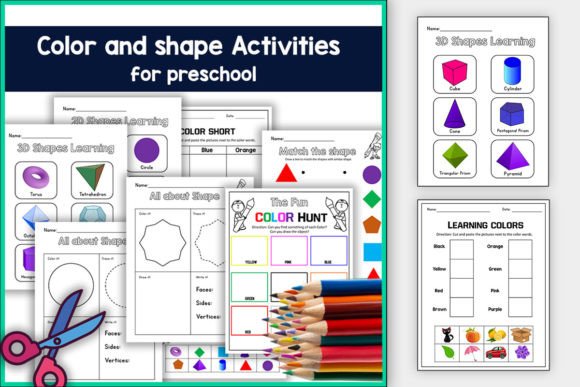
Everything you need on one name, in one row.
- What to draw: a table with columns for name, parent or carer, phone, allergies or notes, and pick-up person
- What goes in: one row per child, in alphabetical order, with two spare rows at the bottom
- When you use it: the first morning, a fire drill and any call home
Keep a second copy in the substitute section. In black ink, underline allergies twice. For a printed table, a teacher planner lists student information and medical information pages.
Sheet 7: Attendance Grid
A register that fits a month on one page.
- What to draw: names down the left, the days of the month across the top, small boxes in between
- What goes in: a dot for present, a slash for absent, an L for late
- When you use it: the first five minutes of every day
Print one for each month and clip the old ones behind the cover sheet. Counting the slashes at month end takes half a minute. A planner for Canva is listed with an attendance log.
Sheet 8: Seating Chart
A plan of the room that you can change in a minute.
- What to draw: a rectangle for each desk, drawn in the shape of your real room, with the door and the whiteboard marked
- What goes in: a name in pencil in every rectangle
- When you use it: the first day, a new seating plan and any day with a substitute
Slide the pencil version into a plastic sleeve. A teacher planner listing mentions a seating chart for a printed layout.
Sheet 9: Behavior Log
Use: the notes you need when a parent asks.
Date, child, what happened, what you did. Four columns, no judging words. Facts you can read aloud in a meeting with moms and dads. A 2026 planner lists a behavior log among its pages.
Sheet 10: Skill Tracker
Use: reading, counting or letters, one skill per page.
Names down the side, the skill steps across the top, and a tick when a child gets there. It shows you at a glance who needs another go.
Parent and Substitute Sheets: 5 Pages
The last section is the one you hope you never open and the one that saves your day when you do. A printable classroom pack is one way to have it ready. Sheets 11 and 13 have their own sections; the other three are short.
Sheet 11: Parent Contact Log
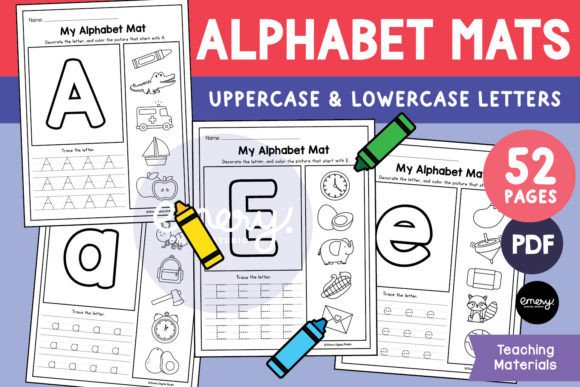
A record of every call, note and chat.
- What to draw: columns for date, who you spoke to, how (call, note, in person), what was said and what was agreed
- What goes in: one line per contact, newest at the bottom
- When you use it: before any conference and whenever a concern comes up
Write what was agreed in the last column, always. When a parent says no one told them, the answer is on the page.
Sheet 12: Conference Notes
Use: the ten minutes with each family.
Child name at the top, then three boxes: strengths, one thing to work on, what we will do. Fill in the strengths box before the meeting. A planner listing names conference notes for parents.
Sheet 13: Substitute Info Sheet
The page that lets a stranger run your room.
- What to draw: a one-page form with the daily timetable, where the register, keys and spare pens are, the name of a helpful colleague next door, and the exit routine
- What goes in: every box filled in, and updated at the start of each term
- When you use it: the morning you wake up with a fever
Put it at the very front of the binder, on top of everything. A teacher planner listing names substitute teacher information among its pages for a printed form.
Sheet 14: Daily Schedule for a Sub
Use: a day in half-hour blocks.
Time down the side, what happens and where the materials are beside it. The substitute follows it line by line.
Sheet 15: Emergency and Dismissal Info
Use: the facts nobody should have to search for.
Who collects which child, where the class goes in a fire drill, who to call in the office. Keep it to one side of one page. Or use a teacher planner with contact pages already made.
Teacher Binder Sheets Ready to Print, Without Drawing
All fifteen sheets work with a ruler and a pen. They have one weak spot: a hand-ruled grid looks like a draft. Columns drift, the fonts are yours, and there is no cover or divider that matches. For a binder you plan to use for a whole year, or hand over to a colleague, that matters.
When you want the layouts, covers and dividers already made, a printable bundle takes over where the pen stops. Look at each listing for the paper sizes, the file types and the licence before you print for a whole team.
For more pages for the classroom, see printable activities for kids by attention span and classroom games that work with 25 kids. If your class is small, party games with no prep fit the last day of term.
More for the classroom: classroom games and printables, scavenger hunt lists by age, free printable games with no email wall, a free bingo printable and easy games you print once.
Frequently Asked Questions
What to put in a student teacher binder?
Whether you teach kindergarten or fourth grade, the answer is three things: planning pages (year, month, week), class pages (list, attendance, seating) and a parents and substitute section. Fifteen sheets cover all three, and a lesson planner is the printed alternative.
What are free teacher binder printables?
Teacher binder printables free of any sign-up are sheets you can print without paying or handing over an email. The ones above are plain grids you rule on paper, so there is nothing to download. For layouts already made, see a classroom printable bundle.
What is in a substitute teacher binder?
The class list, the daily timetable, the seating chart, the emergency and dismissal information, and the name of a colleague who can help. Sheets 6, 8, 13, 14 and 15 are the set.
How do I make a teacher binder cover?
Fold a sheet in half, write the class name and the year on the front and let the children draw around it. It is the one place in the binder where colour pays off.
Can I use these for a student teacher binder?
Yes. A student teacher needs the same three sections, with the lesson plan sheet used the most. Keep the weekly plan and the reflection page together at the front.
How many sheets does a teacher binder need?
Fifteen is enough to start with. Add a page only when you notice you keep writing the same thing on scrap paper.
Key Takeaways
- Fifteen sheets in three sections: planning, class, parents and substitute.
- All of them are black and white and ruled on plain paper, with no sign-up.
- Put the substitute info sheet at the very front.
- Draw one master of each, copy it, and reuse it all year.
- For layouts, covers and dividers already made, see a classroom printable bundle.
About the author: Hi, I’m Tess. I taught preschool for nine years and now make the printables I used to photocopy at 7am. Every game here has been played with a real group of kids before it goes up, and I tell you how long it actually held their attention, not how long it should have.